

Rails - Rigs - Resources
INFO-VISUAL OPTION 03
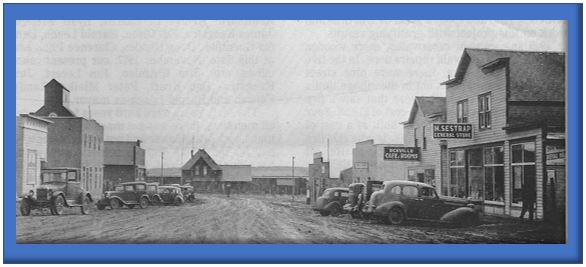
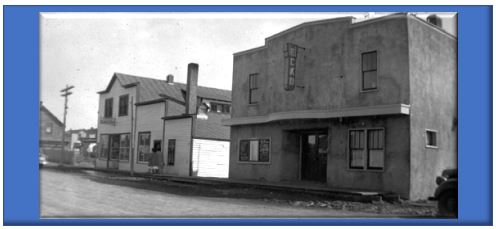
The original townsite of Eckville was located 1 1/2 miles north of the current townsite. With the arrival of the railroad, the town moved to its current site to take advantage of this new transportation link to the rest of the world.
One of the motivations for the railway was to service a coal mine west of Eckville at Nordegg. Additionally, the developing communities and farmland required transportation of grain and livestock out of the area and the inbound shipments of manufactured and processed goods from other parts of the country. The passenger service provided the option to avoid the difficult roads of the early days.
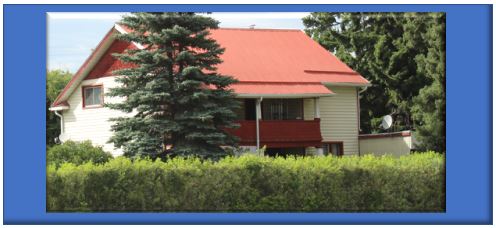
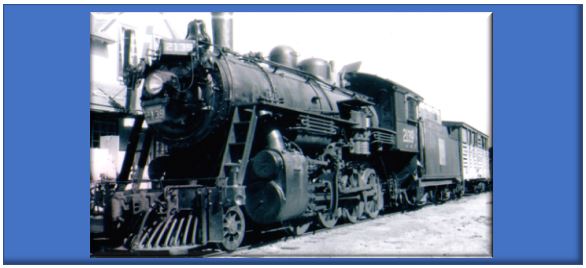
The early railway trains were powered by steam. Besides the energy provided by coal, the working component of steam engines was the steam that was generated by boiling water. The steam provided the power to the drive wheels by pushing cylinders. Each stroke of a cylinder finished its power stroke by releasing the steam that powered that stroke. This vigorous and repetitive release of steam required a substantial amount of water to maintain power to the locomotive. Subsequently most engines required a resupply of water at about 30 mile increments. Thus water towers were set up and an operator at the station was required to assure a supply of water in the water tower for the engine. The tower operator usually required accommodation, so a cabin or house was set up on location.
Since trains were going to stop for water, and there already was someone living at the location, it was a logical step for an aspiring businessman to set up shop near a water tower in a developing area. Many small towns, the grain elevators and other community services evolved from this scenario. Subsequent vehicle roads followed the railway tracks for two reasons. 1) The tracks linked the developing towns. 2) The railways were surveyed and built to keep steepness of the track within a maximum two percent grade. Service roads that followed railway lines were inherently following a rout with minimal hills to overcome.
The road systems have been improved dramatically over the years and the ease and adaptability of trucking and automobile transportation has diminished the original needs of the railway services. Subsequently the multitude of grain elevators and train stations that accompanied the townsites along the railway have been eliminated. The change in transportation has, in some cases reduced some once thriving communities to a sampling of buildings or they simply ceased to exist.
Ironically, the diesel powered engines engines which replaced the steam engines, no longer require the frequent stops that once inspired so many small communities.
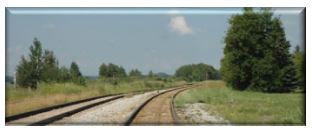
The current rail service through Eckville is now primarily used to transport oil products out of the refineries located west of Eckville.
The coming of the railroad was the first of many significant influences of the outside world.
Bob Kingsep
Tour 03 includes the train through Eckville.